Emergency Call Handling for Plumbers: A Practical Guide to Managing After-Hours Service Requests
Learn effective strategies for emergency call handling for plumbers. Discover how AI receptionists and automation systems can help small service businesses manage after-hours calls professionally.
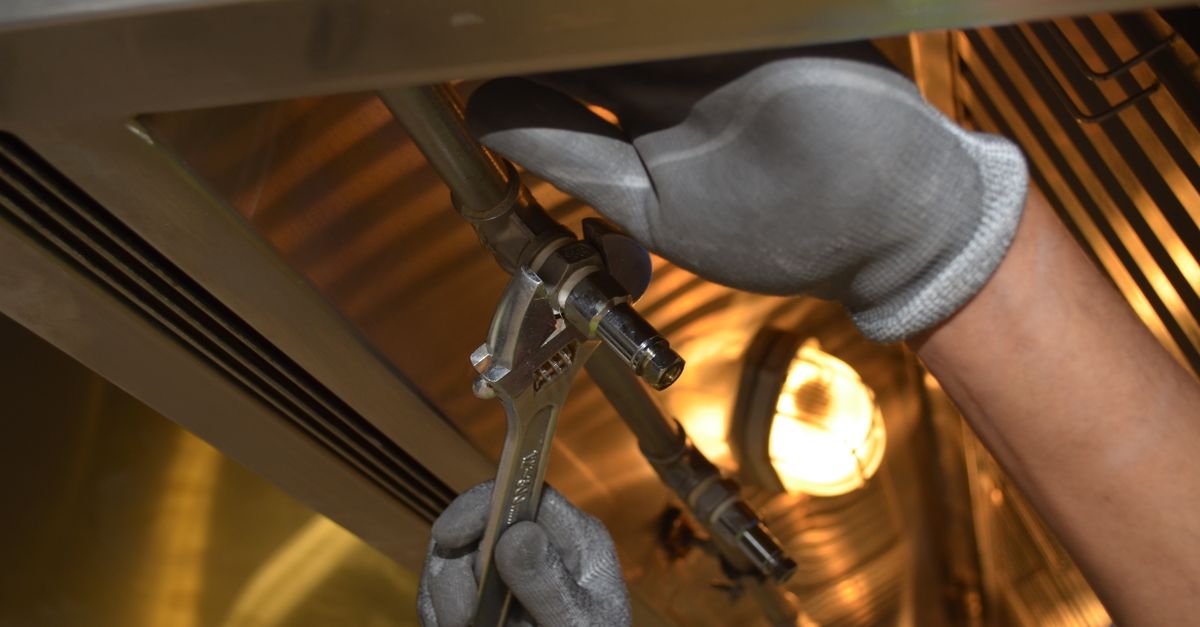
When a pipe bursts at 2 AM or a water heater fails on a holiday weekend, plumbers need a reliable system for emergency call handling. For small service businesses, these urgent calls represent both opportunity and challenge. Get it right, and you build customer loyalty and gain profitable work. Get it wrong, and you risk reputation damage and missed revenue. This guide outlines practical approaches to managing emergency calls without sacrificing work-life balance or customer service quality.
The Emergency Call Challenge for Plumbing Businesses
Most plumbing businesses struggle with emergency call handling due to limited resources and unpredictable timing. Unlike scheduled appointments, emergency calls arrive at all hours, often during family time or when you're already working on another job. Without a proper system, calls go to voicemail, get missed entirely, or are handled by someone who lacks technical knowledge.
- After-hours calls interrupting personal time and rest
- Inconsistent information gathering from stressed customers
- Delayed response times leading to customer frustration
- Missed revenue opportunities when calls go unanswered
- Inefficient dispatching that wastes fuel and technician time
- Difficulty distinguishing true emergencies from non-urgent requests
Building an Effective Emergency Call System
A well-designed emergency call handling system starts with clear protocols. First, define what constitutes an emergency for your business. Is a dripping faucet an emergency at midnight? What about a clogged drain? Establish clear guidelines for your team and customers. Next, implement a tiered response system that prioritizes calls based on severity. Finally, create documentation templates that ensure your team gathers all necessary information during the initial call.
The difference between a good emergency response and a great one isn't just speed—it's the quality of information gathered and the professionalism shown during a stressful situation for the customer.
Technology Solutions for 24/7 Availability
Modern plumbing businesses are turning to AI receptionists and automated call handling systems to manage emergencies. These solutions can screen calls, collect essential information, and even provide initial troubleshooting guidance. For example, a Wyoming-based plumbing company implemented an AI system that automatically texts customers a confirmation with estimated arrival time after hours, reducing customer anxiety by 40% and eliminating the need for manual follow-up calls.
- AI-powered call answering that works 24/7 without hiring additional staff
- Automated customer follow-up systems that send confirmation texts and appointment reminders
- Dispatch dashboards that show technician availability and location in real-time
- Business automation that routes calls based on urgency and technician expertise
- Integrated systems that log all communications for quality control and training
Creating a Seamless Customer Experience
The best emergency call handling feels effortless to customers while creating efficiency for your business. Consider the case of a plumbing service in Casper that implemented a system where emergency calls trigger a specific workflow: the customer receives an immediate text confirmation, the on-call technician gets a notification with job details and GPS location, and the business owner receives a summary of the call for billing and follow-up. This approach reduced response time by 30% and increased customer satisfaction ratings for emergency services.
For plumbing businesses looking to improve emergency call handling, start by documenting your current process and identifying pain points. Then, prioritize solutions that address your most significant challenges. Whether that's implementing an AI receptionist, creating better documentation templates, or establishing clearer emergency definitions, incremental improvements can lead to significant results in both customer satisfaction and business efficiency.
See what you're missing — free.
A 30-minute assessment shows where your calls, leads, and follow-up can improve.
Book your free assessment