
How to Follow Up on Service Estimates (Without Feeling Like a Pest)
Most service businesses send the estimate and wait. Here's a simple follow-up sequence that closes more jobs — and how to automate it so it actually happens.
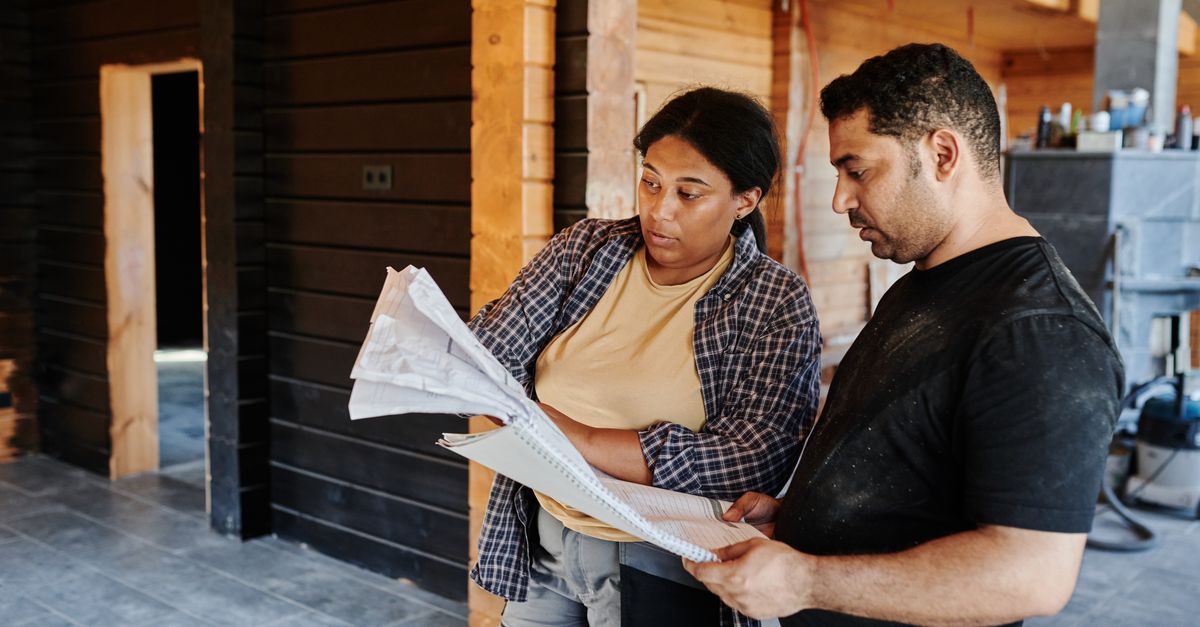
You drove out, measured, quoted a fair price, and emailed the estimate. Then... nothing. Not because they chose someone else — most of the time, life just got in the way. The estimate is sitting in their inbox under forty other emails.
Here's the uncomfortable truth: the contractor who follows up usually wins, even at a higher price. Following up signals you actually want the work and you'll be responsive during the job — which is what customers are really buying.
A follow-up rhythm that works
- Day 1: a short text — "Estimate's in your inbox. Happy to walk through it, any questions just reply here."
- Day 3: a value nudge — answer the objection they didn't voice (financing, timeline, warranty)
- Day 7: a direct ask — "Want me to pencil you in for next week? Schedule's filling up."
- Day 14: the graceful close — "No pressure — I'll leave this open. If timing's off, tell me when to check back."
Why it never actually happens
Every contractor knows they should follow up. But follow-up is invisible work that competes with billable work, and billable work always wins. That's why willpower isn't the fix — automation is. The sequence should run itself the moment you hit send on an estimate, and stop itself the moment the customer replies.
What automated estimate follow-up looks like
- Estimate goes out → the sequence starts automatically
- Customer replies → the sequence stops and you get pinged to respond personally
- Customer accepts → it books them and starts the job workflow
- Nothing happens → you get a weekly list of quiet quotes worth one personal call
The estimate you don't follow up on was just an unpaid site visit.
See what you're missing — free.
A 30-minute assessment shows where your calls, leads, and follow-up can improve.
Book your free assessment